The narrow alleyways of Xunpu Village come alive with color each morning as visitors arrive to experience one of China's most photogenic cultural traditions. For just 40 yuan, travelers can adorn themselves with the village's famous zahua wei - elaborate floral headdresses that transform ordinary tourists into blossoming works of art. This fishing village on the outskirts of Quanzhou has become an unexpected hotspot for cultural photography, with its vibrant flower crowns set against ancient oyster-shell houses creating perfect Instagram moments.
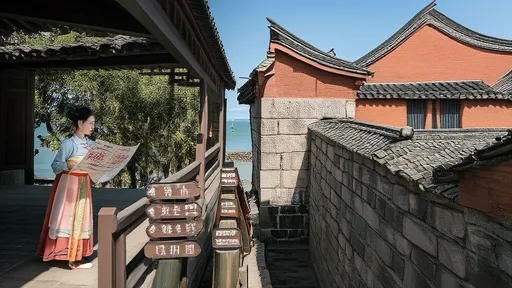
Walking through Xunpu feels like stepping into a living museum. The village's distinctive architecture features walls embedded with oyster shells, a unique building method passed down through generations of fisherfolk. These iridescent surfaces make perfect backdrops for the bright floral headpieces, creating natural contrast that photographers adore. Local women have perfected the art of arranging these headdresses over lifetimes - their skilled hands can craft a masterpiece in under ten minutes using fresh chrysanthemums, carnations, and various local blooms.
Several key photography spots have emerged as favorites among both professional shooters and amateur Instagrammers. The central square near Mazu Temple sees constant activity, with its traditional architecture and convenient proximity to multiple headdress vendors. Morning light here casts a golden glow perfect for portraits. Another popular location is the waterfront area where fishing boats bob in the harbor - the juxtaposition of floral elegance against working-class maritime life creates compelling visual narratives.
The back alleys hold unexpected treasures for those willing to explore. Hidden courtyards with weathered wooden doors make intimate settings for portrait sessions, while certain bends in the pathway offer framed views of Minnan-style rooftops behind cascades of flowers. Seasoned photographers recommend arriving before 8 AM to capture the soft morning light before crowds arrive, or waiting until late afternoon when the angled sunlight makes the oyster-shell walls shimmer.
What makes the Xunpu experience remarkable is its authenticity. Unlike staged cultural villages, this remains a living community where local women go about their daily lives wearing these headdresses as their grandmothers did. The 40 yuan fee includes not just the floral crown but a traditional outfit rental, allowing visitors to temporarily become part of this centuries-old aesthetic tradition. Vendors take pride in creating unique designs for each customer, ensuring no two headdresses look exactly alike.
Beyond the visual spectacle, the headdresses carry deep cultural meaning. Originally worn to celebrate the Mazu sea goddess, the styles indicate marital status and family origins through specific flower combinations and arrangement patterns. Elderly village women can often be seen wearing more subdued versions as part of their daily attire, a quiet continuation of tradition amidst the growing tourist attention.
As word spreads through social media, Xunpu faces the challenge of balancing preservation with popularity. Local authorities have implemented measures to protect the village's character while accommodating visitors, including designated photography zones and crowd control during peak periods. The 40 yuan pricing structure helps maintain accessibility while generating income for local families - a sustainable model that keeps the tradition alive rather than turning it into a commercialized spectacle.
For photographers planning a visit, the golden hours after sunrise and before sunset offer optimal lighting conditions. Overcast days actually work well for capturing the vibrant colors without harsh shadows. Many successful shots play with perspective - getting low to frame subjects against the sky or using the textured walls as natural backdrops. The most compelling images often capture candid moments rather than posed portraits, as local women go about shelling oysters or mending nets while wearing their floral crowns.
The village's transformation into a photography destination has brought economic benefits but also cultural validation. Young people who might have abandoned traditional practices now see value in learning the headdress techniques from their elders. Workshops have sprung up to teach the craft to interested visitors, creating new avenues for cultural exchange. What began as a local custom has become a bridge connecting Xunpu to the wider world.
As the sun sets over the harbor, the last photographers pack up their gear while vendors carefully collect flowers from returned headdresses. The scents of salt air and fading blossoms mix in the evening breeze - a sensory reminder of how Xunpu's living culture continues to flourish. For travelers seeking authentic experiences beyond typical tourist attractions, this village offers something rare: the chance to not just observe tradition, but to wear it, photograph it, and for a brief moment, become part of its ongoing story.
Practical information for visitors: The village is accessible via taxi or bus from central Quanzhou (about 30 minutes). Headdress vendors cluster near the main entrance, with prices standardized at 40 yuan including outfit rental. Weekdays see fewer crowds than weekends. Respectful photography of local residents requires permission. The best seasons for vibrant flowers are spring and autumn, though the headdresses are available year-round.

By /Aug 4, 2025

By /Aug 4, 2025

By /Aug 4, 2025
By /Aug 4, 2025
By /Aug 4, 2025

By /Aug 4, 2025

By /Aug 4, 2025

By /Aug 4, 2025
By /Aug 4, 2025

By /Aug 4, 2025
By /Aug 4, 2025
By /Aug 4, 2025

By /Aug 4, 2025

By /Aug 4, 2025

By /Aug 4, 2025

By /Aug 4, 2025

By /Aug 4, 2025

By /Aug 4, 2025
By /Aug 4, 2025

By /Aug 4, 2025
