Traveling with food allergies can be a daunting experience, especially in a foreign country where language barriers and unfamiliar ingredients add layers of complexity. Japan, however, has emerged as a surprisingly accommodating destination for those with dietary restrictions. Its convenience stores, or konbini, have become a safe haven for allergy-conscious shoppers, thanks to meticulous allergen labeling practices that surpass many Western standards.
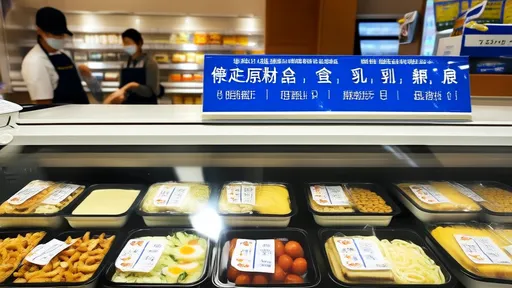
Walking into a Japanese convenience store like 7-Eleven, Lawson, or FamilyMart, one is immediately struck by the sheer variety of pre-packaged meals, snacks, and desserts. What’s less obvious at first glance—but far more critical for those with allergies—is the detailed allergen information printed on nearly every product. Unlike in some countries where allergen labeling feels like an afterthought, Japan’s system is comprehensive, standardized, and remarkably transparent. The country mandates the disclosure of seven major allergens—egg, milk, wheat, buckwheat, peanut, shrimp, and crab—with many stores voluntarily listing additional ones like soy, tree nuts, or sesame.
The labeling isn’t just a legal obligation; it reflects a cultural emphasis on customer safety and trust. Many products feature bold, easy-to-spot allergen icons or color-coded symbols, eliminating the need to squint at fine print. For example, a small illustration of an egg or a peanut with a strike-through line instantly communicates risk, a visual cue that transcends language. This approach is particularly helpful for tourists who may struggle with Japanese text but can recognize these universal symbols.
Beyond packaging, Japanese convenience stores often provide supplementary allergy resources. Some locations offer in-store pamphlets or QR codes linking to detailed allergen databases, while staff are frequently trained to answer basic allergy-related questions. Larger chains have even introduced smartphone apps with multilingual allergy filters, allowing users to scan products or search for "safe" items based on their specific restrictions. This level of accessibility is rare in convenience stores elsewhere, where allergy information is often buried in corporate websites or unavailable altogether.
What makes Japan’s system stand out is its proactive approach to cross-contamination. While many countries focus solely on ingredient lists, Japanese labels frequently include disclaimers about shared production facilities or equipment. Phrases like "may contain traces of" or "processed in a facility that handles" appear consistently, offering an extra layer of caution for highly sensitive individuals. Some stores go a step further by dedicating separate preparation zones for allergen-free products, a practice still uncommon in global convenience retail.
Critics might argue that Japan’s allergy labeling isn’t flawless—smaller, independent stores may lack the same rigor as chains, and regional variations exist. Yet compared to the inconsistent or vague labeling found in many other countries, Japan’s konbini set a high bar. For travelers with allergies, these stores aren’t just a convenience; they’re a lifeline, proving that quick, affordable food doesn’t have to come at the expense of safety or peace of mind.

By /Aug 4, 2025

By /Aug 4, 2025

By /Aug 4, 2025

By /Aug 4, 2025

By /Aug 4, 2025

By /Aug 4, 2025

By /Aug 4, 2025

By /Aug 4, 2025

By /Aug 4, 2025
By /Aug 4, 2025
By /Aug 4, 2025

By /Aug 4, 2025

By /Aug 4, 2025

By /Aug 4, 2025

By /Aug 4, 2025

By /Aug 4, 2025

By /Aug 4, 2025

By /Aug 4, 2025

By /Aug 4, 2025

By /Aug 4, 2025
