The holy month of Ramadan brings a profound shift in daily rhythms across the Middle East, and nowhere is this more visible than in the region's bustling shopping centers. As the lunar calendar turns, mall operators implement sweeping operational changes to accommodate altered consumer patterns during this sacred period. These adjustments reflect both cultural traditions and commercial realities in a region where spirituality and commerce intertwine uniquely.
Across Gulf Cooperation Council countries, shopping malls typically extend their operating hours deep into the night while making significant adjustments to daytime schedules. The Dubai Mall, among the world's largest retail destinations, shifts its standard 10 AM to midnight schedule to run from 10 AM until 1 AM during Ramadan. This pattern repeats throughout the UAE, with Mall of the Emirates and Abu Dhabi's Yas Mall adopting similar extensions. The rationale behind these changes stems from the dramatic flip in consumer behavior - where daytime foot traffic dwindles to a trickle, nighttime sees families flocking to air-conditioned retail havens after breaking their fast.
Saudi Arabia's approach to Ramadan mall hours demonstrates even more pronounced adaptations. Riyadh's sprawling Kingdom Centre and Al Nakheel Mall transition to operating from 4 PM until 2 or 3 AM, effectively becoming nocturnal retail hubs. This schedule acknowledges both the physical challenges of daytime fasting and the cultural preference for late-night socializing during the holy month. Shopping centers transform into community gathering points where families combine iftar meals with retail therapy, creating a distinctive Ramadan shopping culture unlike any other period.
The hospitality components within Middle Eastern malls undergo particularly dramatic transformations. Food courts that normally buzz at lunchtime sit eerily quiet until sunset, when they erupt into frenetic activity as hundreds break their fast simultaneously. Many shopping centers install special Ramadan tents and buffets, with premium offerings that turn dining into an event. In Doha's Villaggio Mall, the canal-side restaurants become packed with families enjoying extended meals that often segue into shopping excursions lasting until the early hours.
Retail staff across the region adapt to these unusual schedules through split shifts and special Ramadan employment contracts. Many stores bring in temporary workers to cover the extended nighttime hours while allowing regular employees adjusted schedules that accommodate suhoor meals before dawn. The human resource logistics behind maintaining service quality during these unusual operating hours represent a significant challenge that mall management teams prepare for months in advance.
Kuwait's shopping centers illustrate another dimension of Ramadan adjustments with their distinctive late-night retail culture. The Avenue Mall shifts to operating from 5 PM until 3 AM, becoming a hub of activity when most global retail destinations would be closed. This creates a surreal experience for visitors from other regions - encountering packed stores and crowded walkways at 1 AM on a weekday. The phenomenon speaks to the complete temporal reorganization that Ramadan brings to Gulf societies, where conventional concepts of business hours become irrelevant.
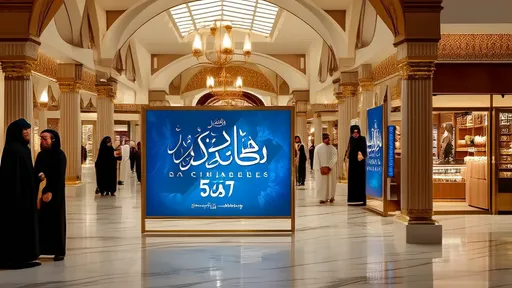
Beyond schedule changes, Middle Eastern malls undergo physical transformations for Ramadan. Decorations shift to incorporate traditional Islamic motifs and lantern displays, while public address systems broadcast prayer times. Some shopping centers even designate prayer areas that see particularly heavy use during taraweeh prayers. These modifications create an atmosphere that balances commercial purposes with spiritual observance - a delicate equilibrium that mall operators must carefully maintain.
The economic implications of Ramadan scheduling are profound. While daytime retail sales decline sharply, the extended nighttime hours often result in net revenue increases for many categories. Electronics and clothing see particular surges as families prepare for Eid celebrations, creating a retail dynamic that savvy brands plan their entire regional marketing calendars around. Luxury goods retailers frequently report that their Ramadan nighttime sales outperform regular operating hours, reflecting the festive atmosphere and disposable income availability during the holy month.
Oman and Bahrain present interesting variations on the Ramadan mall theme. Rather than extreme late-night closures, malls in these markets typically close around midnight but open later in the afternoon. The difference reflects somewhat more conservative interpretations of work-life balance during Ramadan, though the fundamental shift toward evening-centric operations remains consistent across the region. Even in these markets, the post-iftar shopping rush creates retail patterns that would seem alien to observers from non-Muslim majority countries.
Logistics teams behind Middle Eastern malls face unique challenges during Ramadan. Delivery schedules for retail stores must adapt to the unusual operating hours, while maintenance crews work inverted shifts to clean and service facilities during the quiet daytime hours. Security staffing patterns also require complete reorganization to match the altered flow of visitors. These behind-the-scenes adjustments form a critical support system for the visible changes that shoppers experience.
The return to normal operating schedules after Eid al-Fitr often comes as a shock to both shoppers and retail staff. Malls that had buzzed with activity until 3 AM suddenly revert to conventional closing times, requiring another period of adjustment. This transition period typically sees a temporary dip in evening foot traffic as consumers readjust their routines, before settling back into standard shopping patterns until the next Ramadan.
For international retailers with Middle Eastern outlets, adapting to Ramadan mall schedules requires careful planning. Global brands must balance corporate operational standards with local expectations, often granting significant autonomy to regional managers during this period. The most successful international players embrace the Ramadan rhythm completely, tailoring their staffing, marketing, and even product displays to align with the unique characteristics of Middle Eastern retail during the holy month.
As the Middle East's retail landscape continues evolving, Ramadan scheduling remains one of its most distinctive features. The annual transformation of shopping patterns stands as a powerful reminder of how cultural and religious traditions continue shaping commercial life in an era of globalization. For visitors from other regions, experiencing a Middle Eastern mall during Ramadan offers a fascinating window into how societies can temporarily reorganize themselves around spiritual priorities while maintaining vibrant economic activity.

By /Aug 4, 2025

By /Aug 4, 2025

By /Aug 4, 2025

By /Aug 4, 2025

By /Aug 4, 2025

By /Aug 4, 2025

By /Aug 4, 2025

By /Aug 4, 2025

By /Aug 4, 2025

By /Aug 4, 2025

By /Aug 4, 2025

By /Aug 4, 2025
By /Aug 4, 2025

By /Aug 4, 2025

By /Aug 4, 2025

By /Aug 4, 2025

By /Aug 4, 2025
By /Aug 4, 2025
By /Aug 4, 2025

By /Aug 4, 2025
